Why Funeral Planning Feels Overwhelming (and Why Structure Matters More Than Advice)
Most people don’t find funeral planning difficult because it’s complicated.
They find it difficult because it begins at a moment when focus, energy, and emotional bandwidth are already depleted. Decisions arrive quickly, responsibilities stack up, and there’s no clear sense of what matters now versus what can wait.
This isn’t a failure of preparation.
It’s a predictable response to cognitive overload.
The Hidden Problem With Funeral Planning Resources
When people look for help, they’re usually given one of two things:
- Long explanations filled with options and scenarios
- Industry-focused guidance written for professionals, not families
Both assume the same thing: that people need to learn funeral planning.
In reality, most people don’t need more information.
They need order.
Without a clear sequence, even simple tasks feel heavy. People worry about missing something important, doing things in the wrong order, or discovering later that a critical step was overlooked.
That uncertainty creates stress—often more than the decisions themselves.
Why Stress Makes Simple Tasks Feel Hard
Under stress, the brain struggles to prioritize. Everything feels urgent. Small decisions compete with major ones. People second-guess themselves not because they’re unsure, but because there’s no external reference to confirm they’re on track.
This is why people commonly say:
- “I don’t know what I’m supposed to be doing right now.”
- “I’m afraid I’ll forget something important.”
- “I just want to make sure we’re handling this correctly.”
These are not emotional questions.
They are organizational problems.
What Actually Helps in These Moments
What helps most is not advice or reassurance.
It’s external structure.
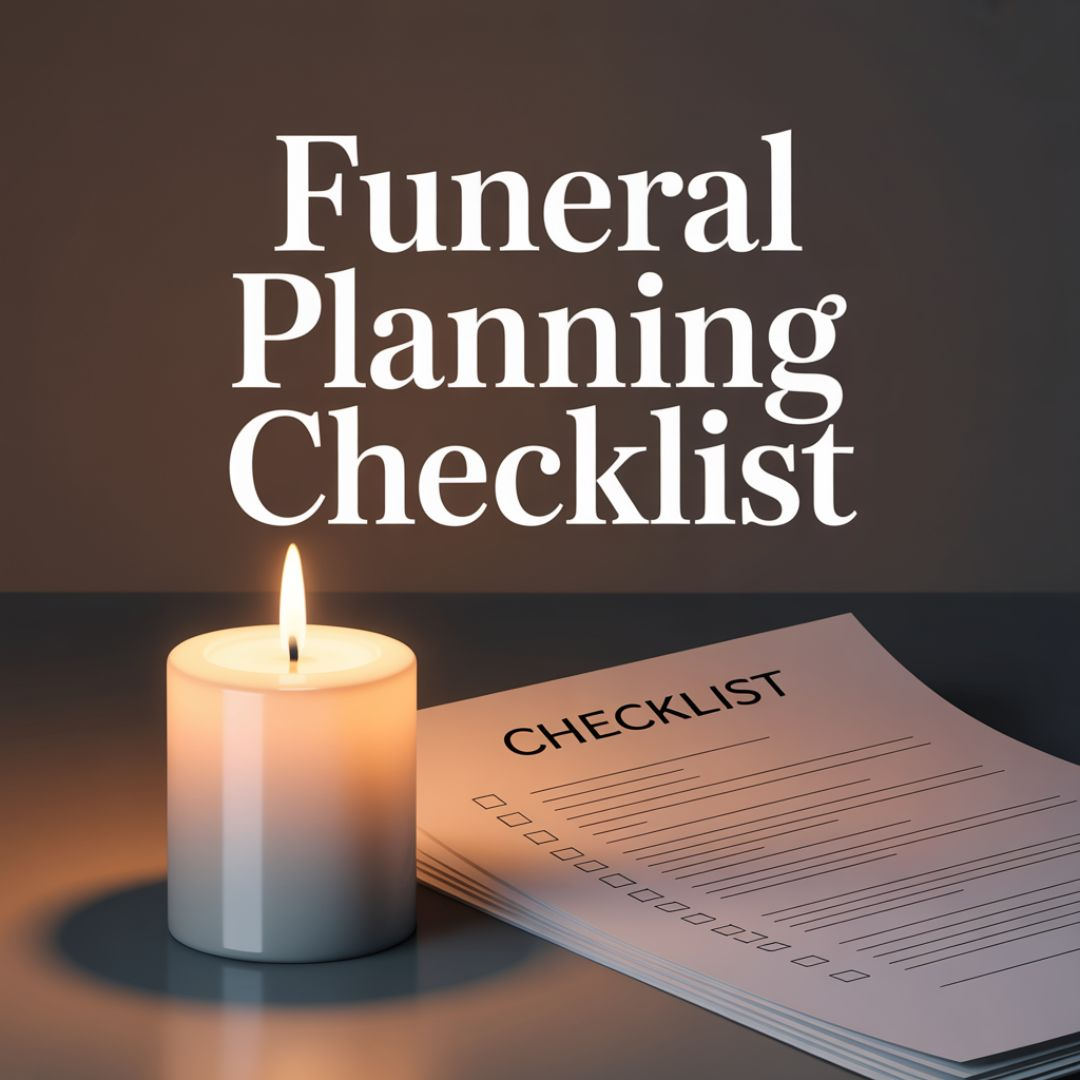
A well-designed checklist does something crucial: it removes the need to hold everything in your head at once. It creates boundaries around responsibility and allows people to move forward one step at a time, without constantly reassessing whether they’re missing something.
Structure reduces stress because it replaces uncertainty with sequence.
Why Simple, Printable Tools Still Matter
In moments of crisis, many people prefer tools that are tangible and quiet.
A printed checklist:
- Doesn’t require logging in
- Doesn’t distract
- Doesn’t overwhelm with options
It becomes a steady reference—used when needed, set aside when not.
That’s why structured, printable tools remain effective during high-stress life events.
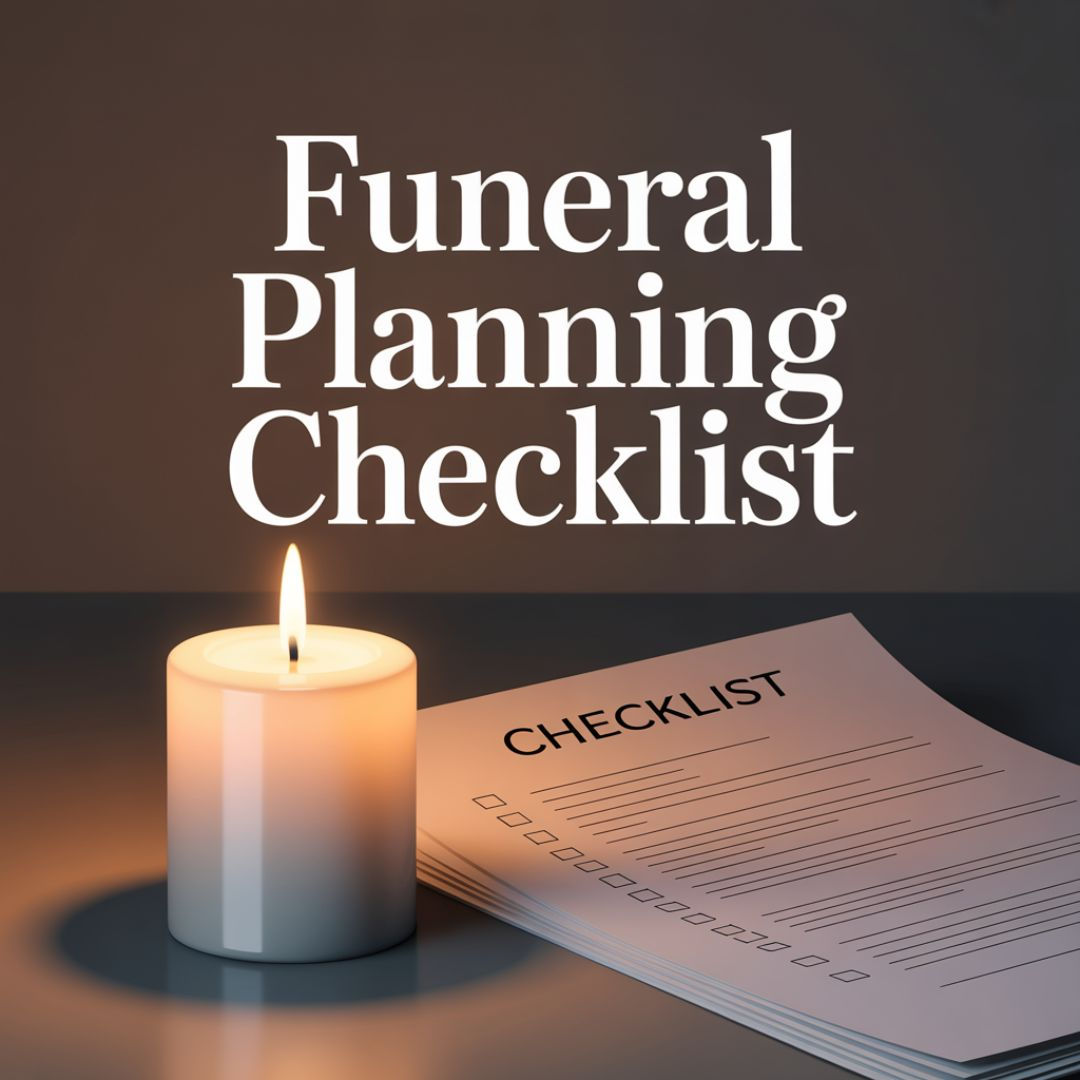
A Tool Designed for First-Time Funeral Planning
The Funeral Planning Checklist from FuneralToolkit.com was created specifically for people planning a funeral for the first time.
It is not a guidebook or a lesson.
It is a practical, step-by-step reference designed to help people stay oriented during an unfamiliar process—without rushing, assuming beliefs, or adding unnecessary complexity.
Its purpose is simple:
To help you know what to handle, and when.